Types of Bamboo Plants- 11 Fascinating Types
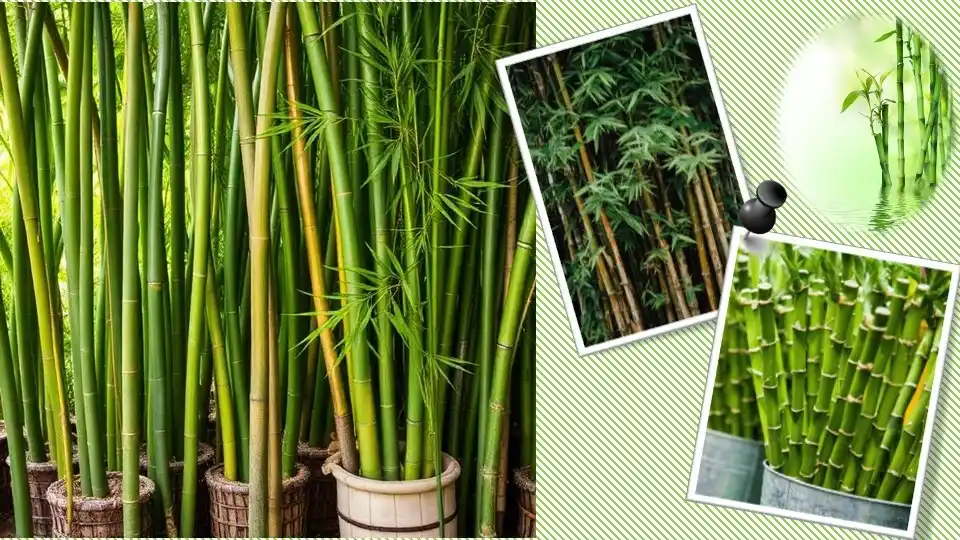
A true hero of nature that is known for its strength, fast growth and several uses, is the “Bamboo Plant”. It is actually a giant grass of the Poaceae family that grows up to a height of 1 meter in a single day. They are found primarily in tropical, subtropical and mild temperate regions with the greatest concentration of species found in the Asia-Pacific region. Globally, there are more than 1500 species of bamboo plants found worldwide. This article dives into the major types of bamboo plants along with the features that make them special in nature.
Popular Types of Bamboo- The Nature’s Giant Grass
This woody grass is not only an eco-friendly and sustainable alternative but also recognized as a symbol of strength and durability. The below mentioned are some of the stunning types of bamboo plants that can be grown by the bamboo lovers.
Moso Bamboo (Giant timber bamboo) –
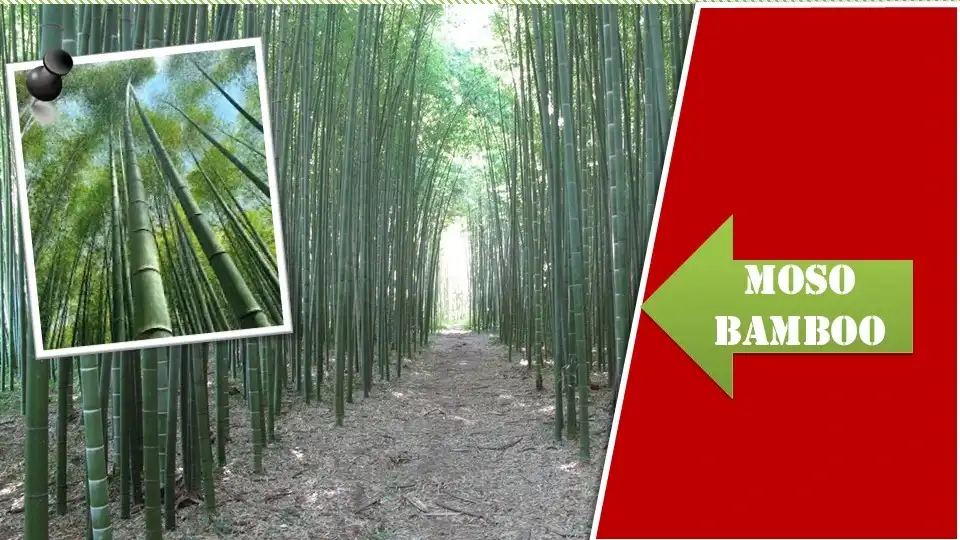
These types of bamboo plants are more prominent in China and Japan region. Botanically known as Phyllostachys edulis, it is one of the largest and commercially important species. It is known for it fast-growing habit and hence the name ” Running Bamboo” which can grow upto a height of 18-28 meters (69-90 ft).
Mexican Weeping Bamboo (Weeping Bamboo/Otatea)-
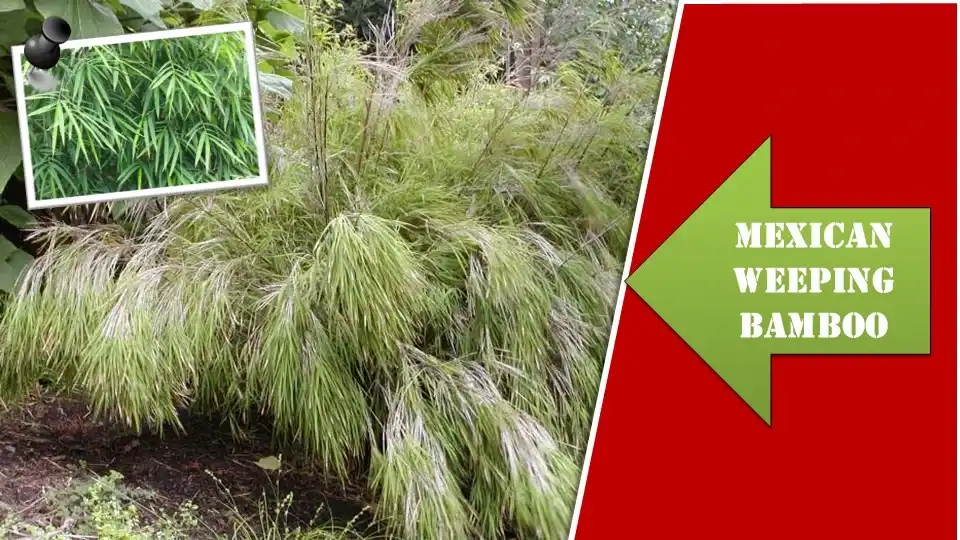
Botanically called as Otatea acuminata aztecorum. These ornamental types of bamboo plants are suitable for landscaping due to its sleek arching canes and feathery leaves that are dropped in appearance. They can easily achieve the height of 4.5-7.5 m (15-25 feet) and shows clumping type of growth habit. Its airy flowing foliage adds a natural type of elegance to the garden.
Black Bamboo
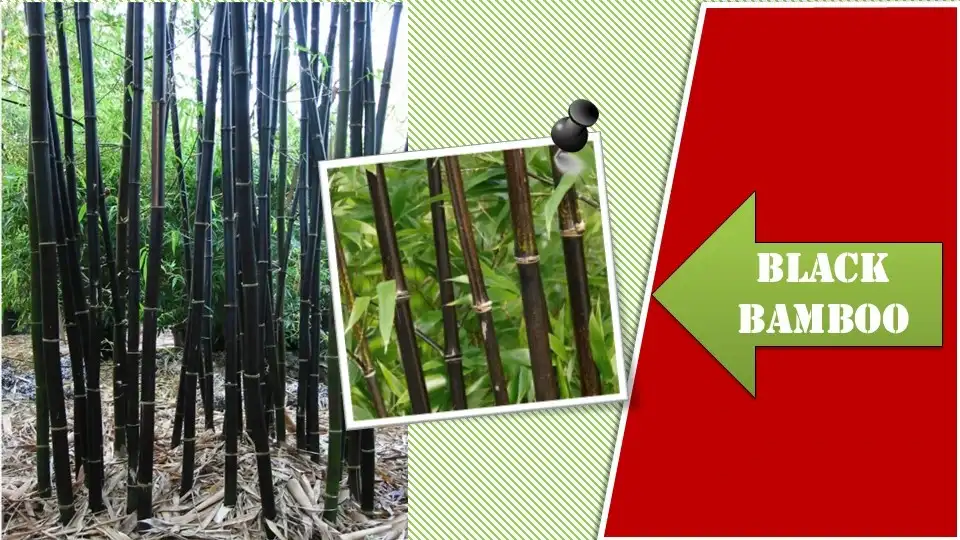
It is the another running bamboo species that is recognized for its jet black colour (black coloured culms). They usually take 1-3 years of time period for its overall growth and is typically seen as one of the most decorative bamboo species for garden use and container gardening. The general height of these types of bamboo plants range between 30-50 feet, when grown outdoors.
Giant Buddha’s Belly Bamboo
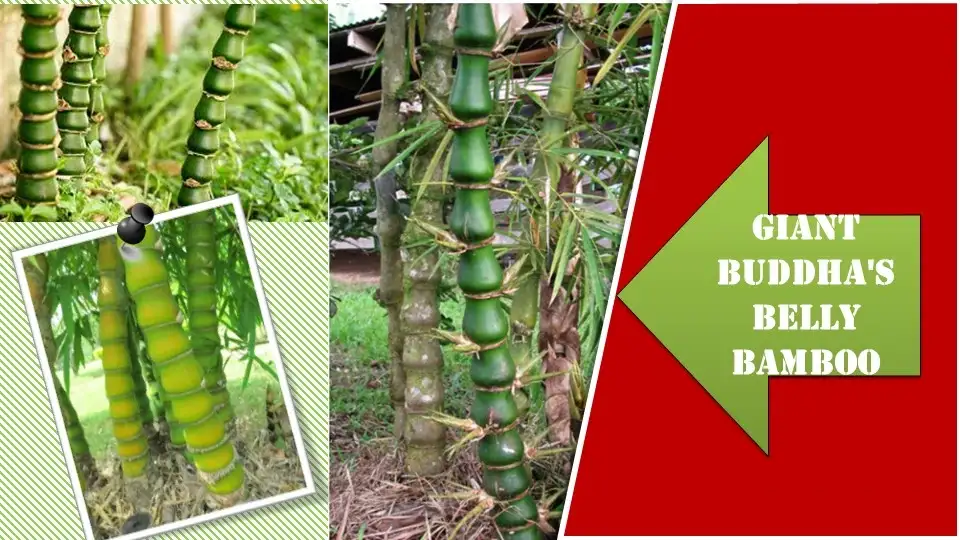
Scientifically, it is known as Bambusa vulgaris ‘Wamin’. Because of its swollen, bulged culms that looks like a Buddha’s belly, it earned its name. Growers found it more suitable for ornamental purpose and can also be maintained as a bonsai too. The overall height of these types of bamboo plants can go as high as 30-55 feet.
Arrow Bamboo
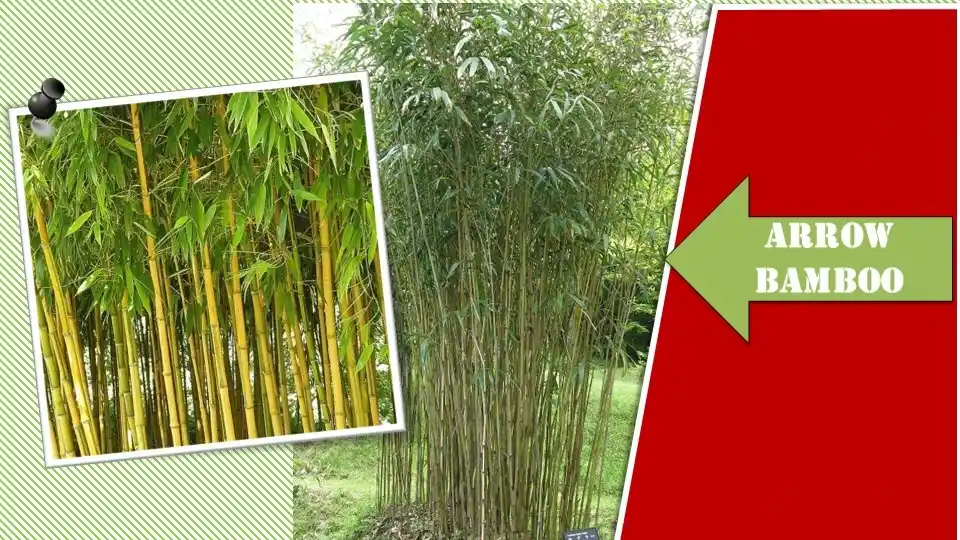
Originally from Japan/Korea, this form of bamboo produces straight canes that are used in samurai arrow-making. Pseudosasa Japonica is short in height in comparison to other types, and produces thinner culms and broad leaves. It is again a popular choice amongst bamboo lovers to grow as an ornamental grass. This Japanese arrow types of bamboo plants grow upto a height of 10-20 feet which is comparatively shorter than its other counterparts.
Alphonse Karr Bamboo
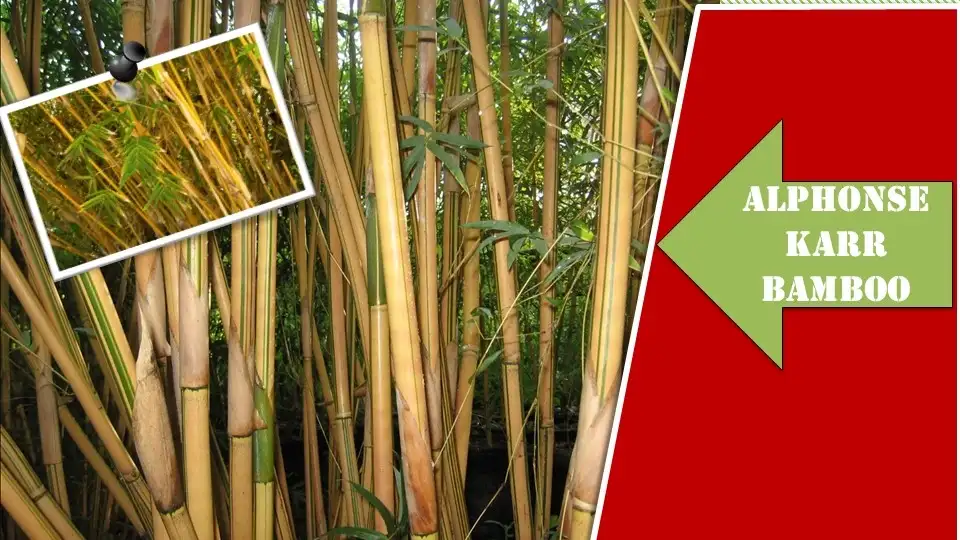
Yet another excellent choice for pots and planters is the Alphonse Karr Bamboo species or Bambusa multiplex. Due to its controlled growth habit, it is a well-suited option for courtyards, balconies and small gardens. It is characterized by beautiful green and golden striped coloured culms that grows abundant foliage. It grows naturally in the shape of vase and has an extremely quick growing habit (goes upto 3-4 meters of height).
Chilean Bamboo
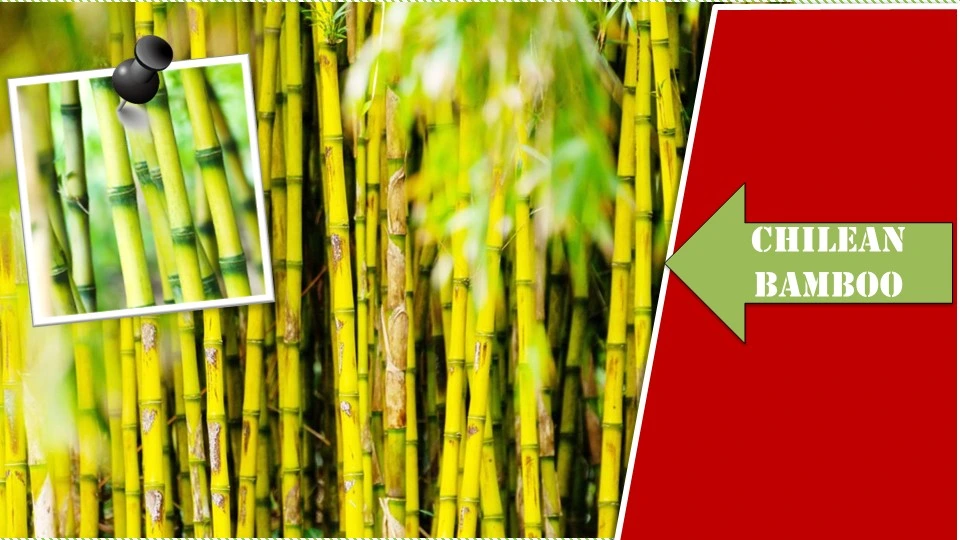
Often referred to as Chusquea culeou , these types of bamboo plants produces distinctive solid culms with an evergreen foliage. The frost tolerant canes of this species have been used by Mapuche for making trutruca instrument. Typically, these types of bamboo plants can go upto a height of 6 meters and is ideal for planting as a bonsai.
Vittata” or “Painted Bamboo
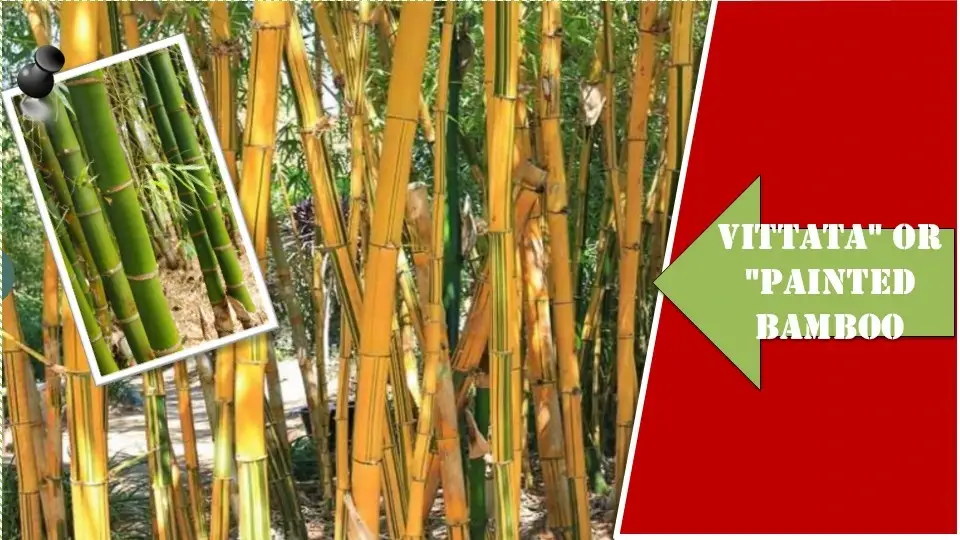
The giant tropical and sub-tropical, most common species of bamboo is the Bambusa vulgaris. Rise upto a height of 15-20 meters, this type is extensively grown in many parts of the world. With the clumping type of growth habit, they generally grow spontaneously on river beds, roadsides, open ground and on wastelands of low altitudes. This species found its role in construction of houses, huts, fences, furniture and handicrafts etc. Additionally, for health purposes, chloroform extract of the leaves of the species has been effective against Mycobacterium tuberculosis.
Red Panda Bamboo
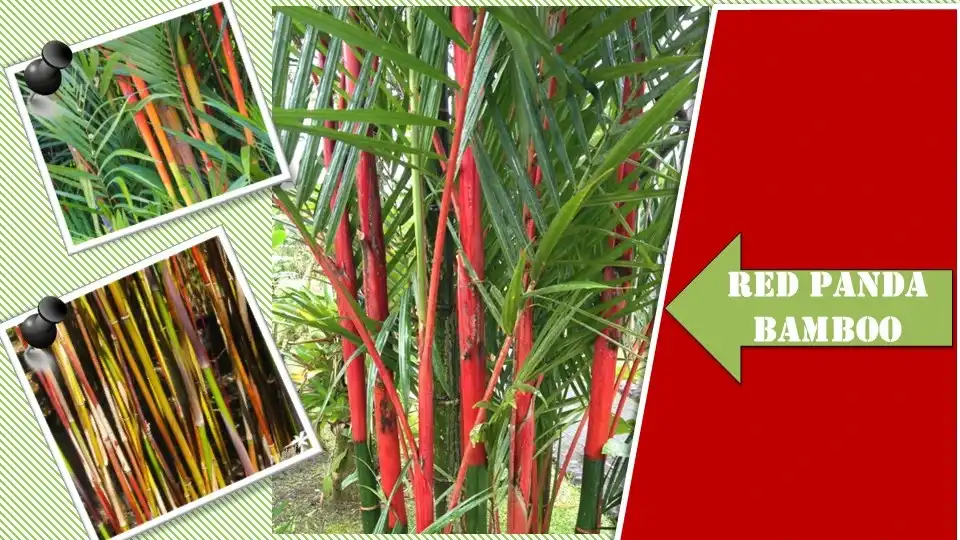
The Fargesia jiuzhaigou is a native of China, well- known for its colourful culms of green/red/orange colour. The cold- hardy bamboo attains a maximum height of 12 feet, and produces narrow, closely growing stems. At later times, these stems will transform their colour from green to red, giving it the name ” Red Bamboo”.
Tropical Blue Bamboo/ Emperor’s Blue Bamboo
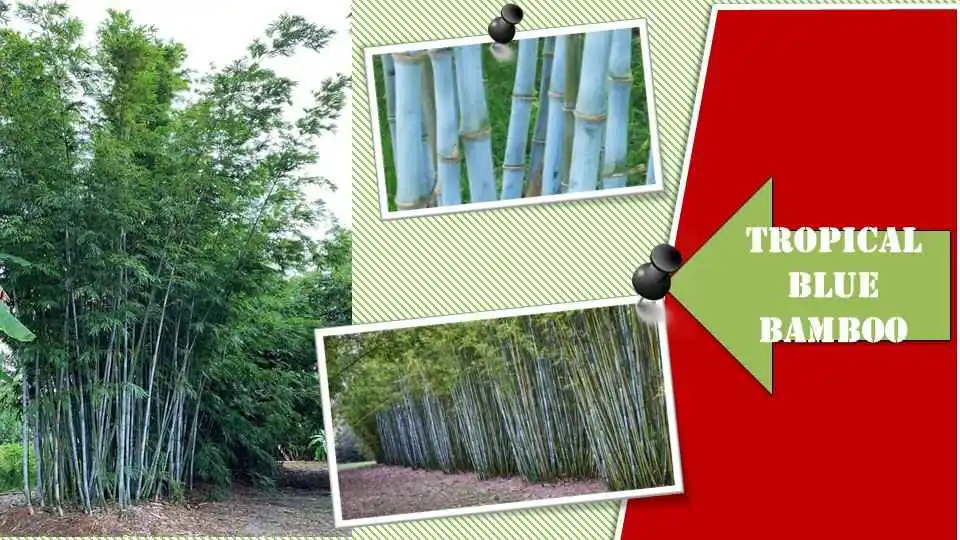
Bambusa Chungii is a more unique addition in the list of bamboo species. With the clumping type of growth habit, its height ranges between 8-12 meters. Due to its blue colour, bamboo lovers grow it as an ornamental grass for the garden. The long internodes of the species , find its importance in weaving, basketry and paper producing industries. In earlier stages, it is of white powdery blue colour that turns into light green at maturity.
Monastery Bamboo
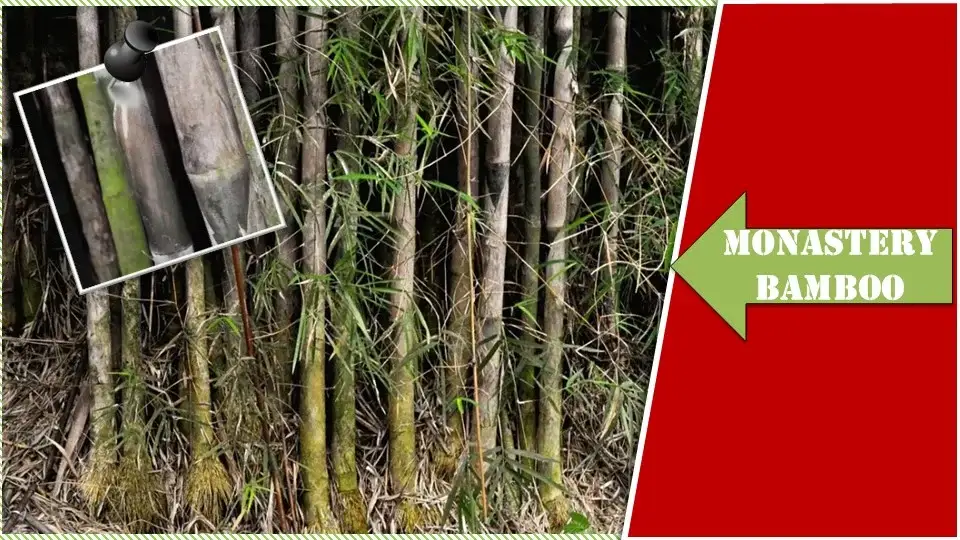
Botanically called as Thyrsostachys siamensis is another type of bamboo, often grows in tight clumps. These types of bamboo plants are more common around the Buddhist monasteries and temples in Thailand, hence the name. With the straight culm, it grows upto 7-13 meters of height. Long-sheath bamboo, Thai bamboo, Thai umbrella, umbrella bamboo and umbrella-handle bamboo are some of the popular names of this species.
Conclusion
Nor just a plant but a part of life, Bamboos are truly the nature’s most versatile and exceptional plants. From being an eco-friendly alternative to an ornamental beauty to a material used in many industries, bamboo species hold a very special place in each domain. Each bamboo type has its own unique trait and importance. Therefore, it is important for all the bamboo enthusiasts to know and understand each of these types and characteristics to meet their requirements.