
How to make spider plant bushier: Some amazing insights
Gardeners mostly love bushier spider plants, airplane plants, ribbon plants, and Chlorophytum comosum, the most popular African plant for its ornamental significance. Native to tropical and southern Africa, this easy-to-grow indoor plant is treasured for its air-purifying capacity and medicinal properties. It earned its name thanks to the spider-like leaves that droop down from the mother plant like spiders on a web. Hence, its arching nature is ideal for new gardeners. Moving on to the tips for making spider plant bushier, the following article describes some methods of how to make spider plant bushier or how to evolve the same into a more denser or vigorous plant.
Spider Plant: An Overview
| Common Name | Airplane Plant/ Ribbon Plant/ Spider Ivy/St. Bernard’s Lily |
| Scientific Name | Chlorophytum comosum |
| Plant type | Clump-forming, perennial, herbaceous plant |
| Sunlight duration | Bright, indirect light |
| Temperature required | 16- 24℃ |
| Soil pH | 6.0 -6.5 |
| Fruit type | Capsule |
| Important Varieties | Milky way, Vittatum, Variegatum, White strip |
| Leaves | Colorful |
| Flower colour | White |
| Bloom time | Flowers freely |
| Stem | Leaves emerge from a short, compressed stem. |
| Landscape locations | Containers, hanging baskets, houseplants, walkways |
How to Make Spider Plant Bushier
For any indoor garden, a spider plant is a pleasant addition. It showcases its sturdy, vigorous habit, longevity, and a surplus of plantlets that follow flowers on long stems. On the matter of how to make spider plant bushier or if one wants to make it denser there are some techniques to it too that make one’s spider plant more thriving.
Pruning
The pruning with the help of sharp scissors makes the spider plant more bushier. In this step, one should cut the fronds of the plant at the base just at the angle of 45 °. This would help clean a plant while healing the plant faster. Double-check to remove all the baby spider plants that are also known by the name of plantlets or spiderettes since they engage more in taking the energy of the mother plant. Gently shear them from the base because they can be used as a propagation material later on to broaden the spider plant collection.
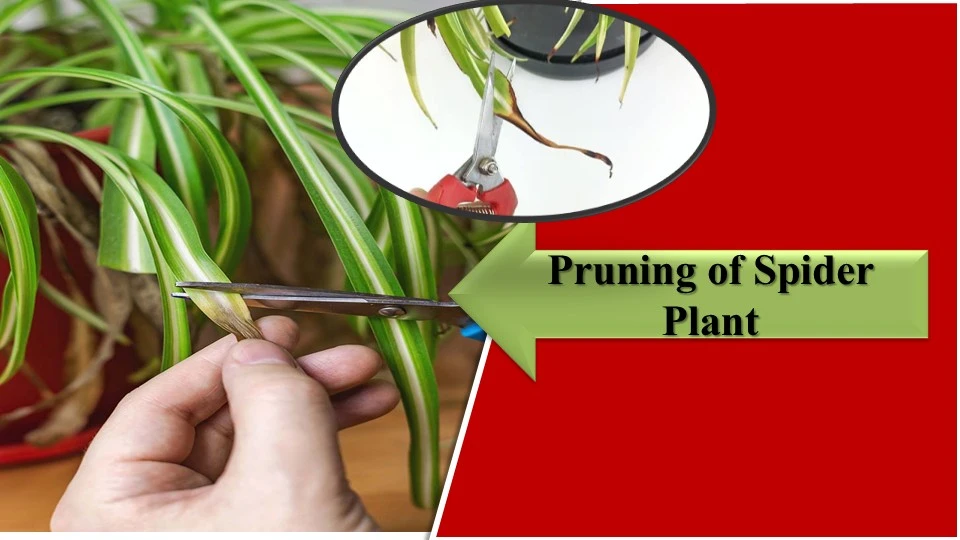
After this trimming process, moisten the plant thoroughly and ensure that it receives abundant bright sunlight for perfect restoration. Along with this, pruning also provides various benefits like reducing the incidence of the pest.
Repotting
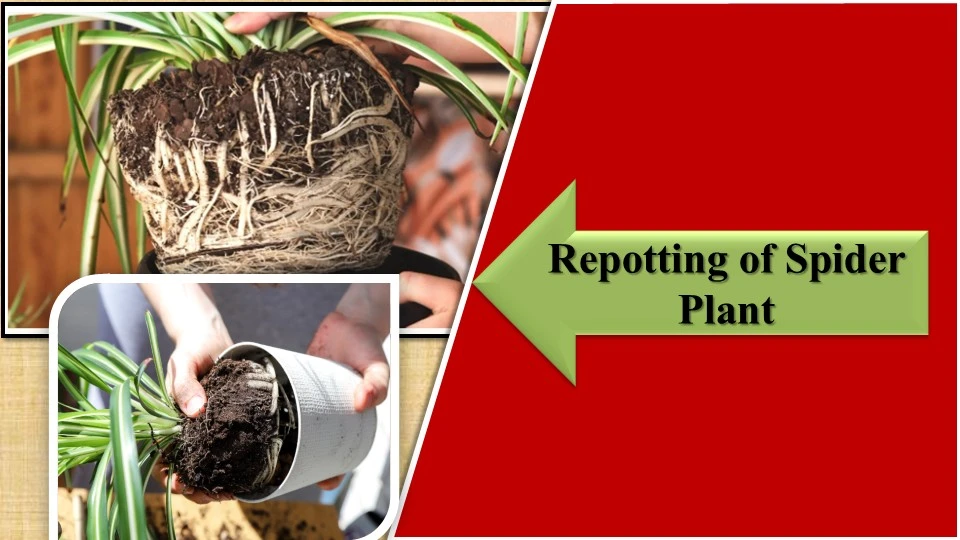
When the plant has surpassed the pot, reporting it into a larger container is suitable. More space fosters the growth of the plant by building new roots and leaves. Make sure to have a good drainage system in the new pot.
Confer Optimal Growing Conditions
Light: How to Make Spider Plant Bushier
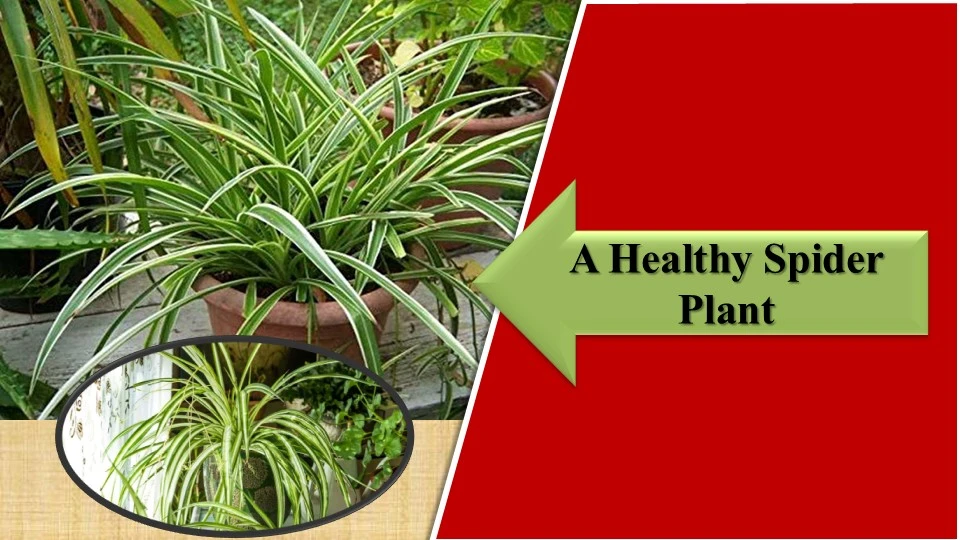
Light plays a critical role for a bushier spider plant. Put the plant in an area where there is a bright, indirect light. More than necessary of sunlight can scorch the leaves, while too little will cause the plants to appear thin, and tall. In the optimum sunlight, spider plants produces small white flowers that will ultimately develop into offshoots or babies.
Temperature
On the parameter of how to make spider plant bushier, the adequate temperature range for the bushier spider plant should be between 18-24℃. So, by putting the spider plant at this ideal temperature, the plant produces new growth and becomes more bushier.
Humidity
The moderate amount of humidity will help to keep the spider plant bushy. This factor facilitates the prevention of dryness in the plant (by retaining moisture in its leaves), supports leaf growth, enhances photosynthesis, and reduces stress. One can also boost the atmospheric humidity by making use of a humidity tray or using a humidifier to make spider plant bushier.
Air Circulation
A good ventilation is important to make spider plant bushier because poor circulation lead to various issues like mildew, that eventually stops the healthy growth.
Propagating Spider Plant Babies
A beginner-friendly technique to make a spider plant bushier is by propagating the spider plant babies, also known as spiderettes. Propagation of the plant promotes the growth of multiple new plants which in turn contribute to the mother plant becoming thicker and vigorous. For this method, the grower has to select first the healthy offshoots or pups that grow from the main plant or thin stems (runners).
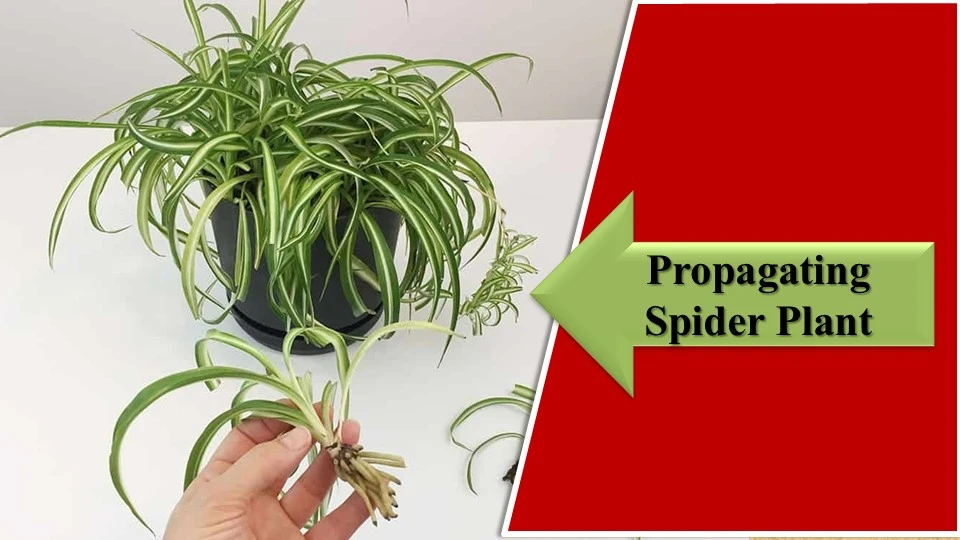
The pups selected should have some roots which will help in the easy propagation. Subsequently, by utilizing clean, sharp scissors or pruning shears cut the runner that attached the pup to the main plant. Later, plant those offshoots in the fresh soil and wait for the growth. By sticking to this method of propagation, one can make a spider plant bushier.
Fertiliser Application for a Bushier Spider Plant
If a horticulturist wants a lush, bushy spider plant, a good amount of fertilizer guides it. The optimal fertilizer application during the growing season (spring and summer) aids the plant in actively producing new growth by supplying additional nutrients. During the growing season, provide spider plants (every two to four weeks) a half-strength all-purpose fertilizer to wake them up from their hibernation. One should check the over-fertilizer application by regularly inspecting the symptoms of browning or yellowing of leaf tips. Apart from conventional fertilizers, the grower can also opt for organic alternatives like compost tea, fish emulsions, or seaweed extracts. Thus, on how to make spider plant bushier, one should have the right knowledge of the amount of fertiliser supplied.
Conclusion
From the above article, the grower gets some insights into how to make spider plant bushier with healthy growth. By supplying the right amount of light, water, and fertilizer, it is possible to enhance the growth and a bushier appearance. The inclusion of some techniques like regular propagation, pruning, and ideal growing conditions will ensure the spider plant remains vibrant and lush, thus adding beauty to any indoor space. This spider plant is a fantastic option for anyone who wants to raise a multipurpose and low-maintenance plant despite not having any experience.